Nyepi in Bali Explained
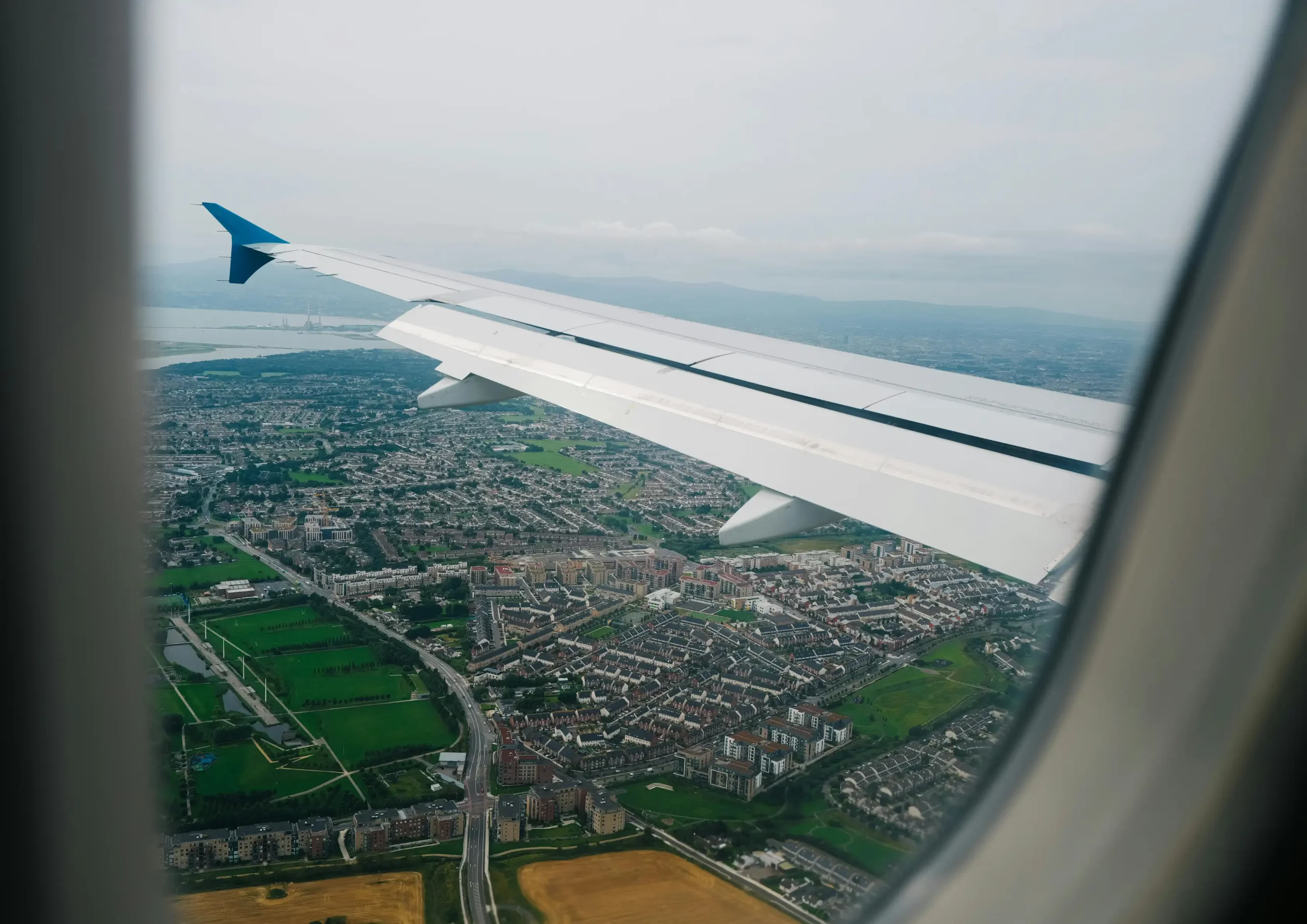
Nyepi is the Balinese Day of Silence, a unique Hindu New Year celebration observed across the entire island of Bali. During Nyepi, all activities stop for 24 hours — including transportation, work, and entertainment. Streets become empty, businesses close, and even Bali’s international airport temporarily shuts down.
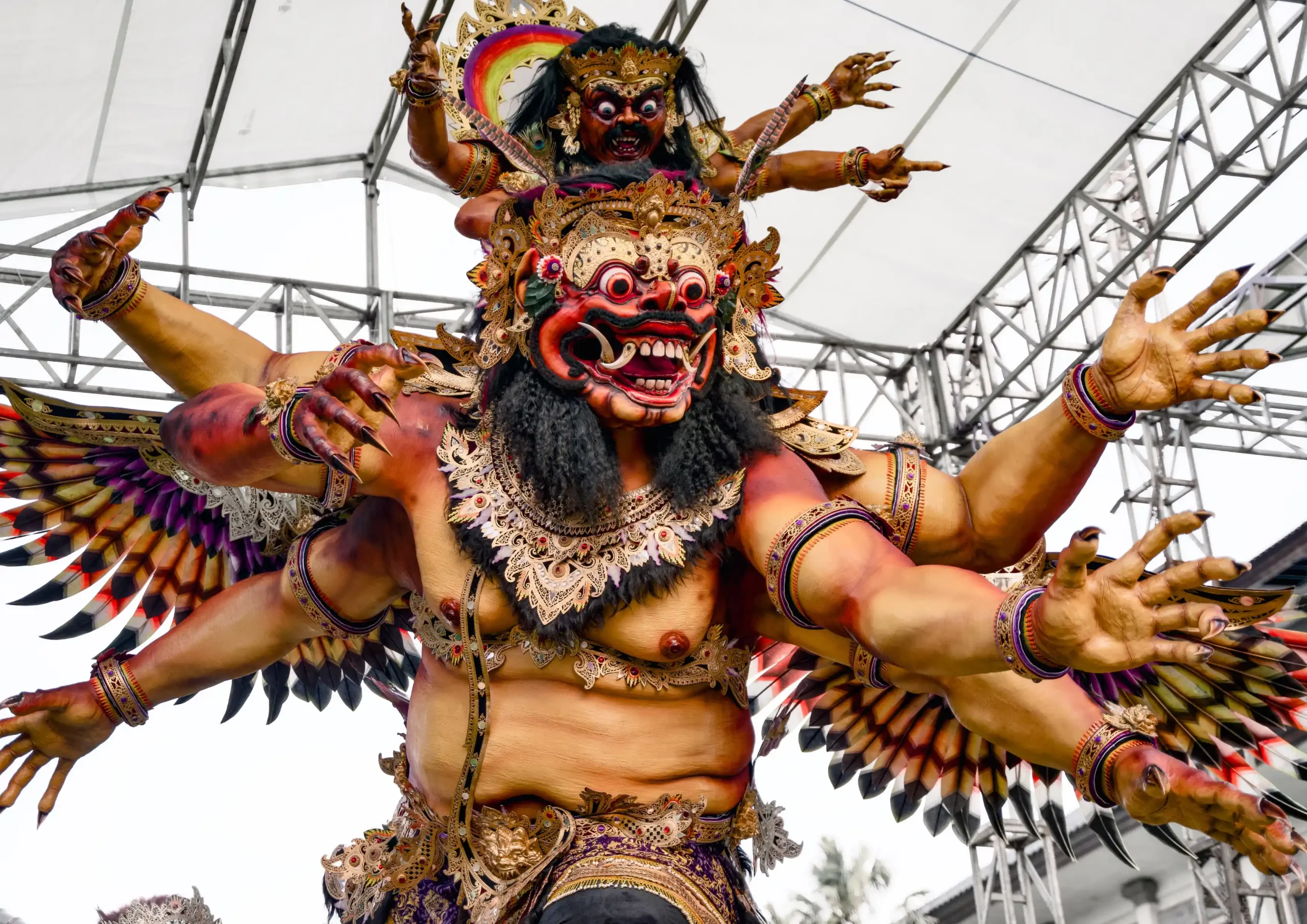
The day is dedicated to self-reflection, meditation, and spiritual balance, allowing people to reset both mentally and spiritually. The evening before Nyepi, Bali hosts the famous Ogoh-Ogoh parade, where giant sculptures representing negative spirits are carried through the streets before being burned in a symbolic cleansing ritual.
For visitors, Nyepi offers a rare experience: witnessing an entire island pause in silence while respecting one of Bali’s most important cultural traditions.
The Day the Entire Island Goes Silent
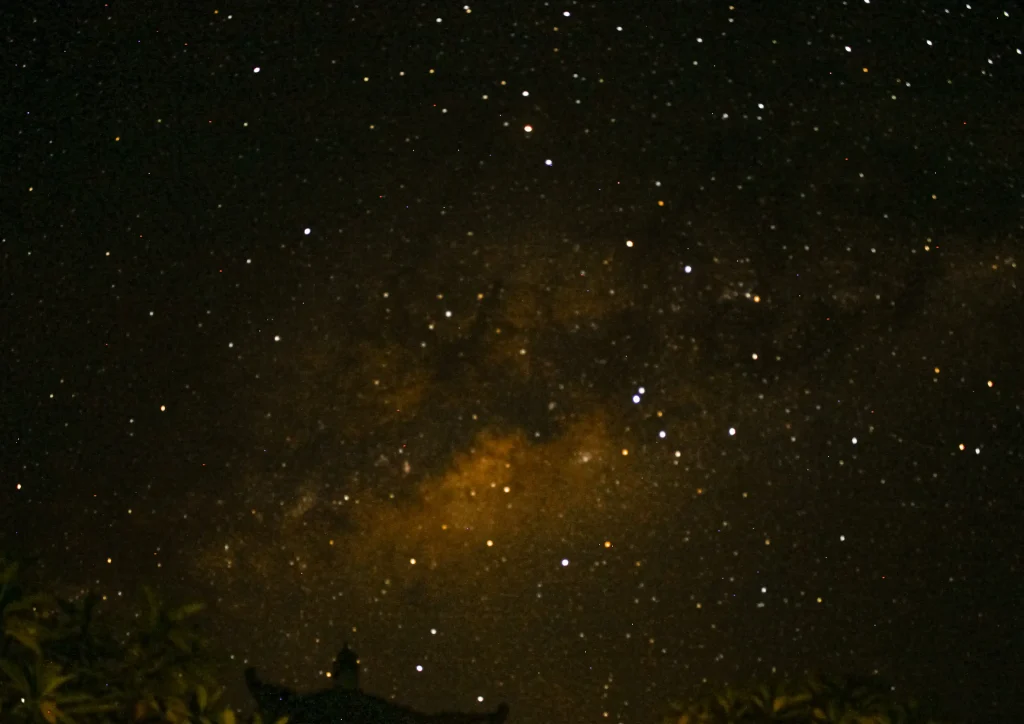
For one day every year, Bali becomes one of the quietest places on Earth. No cars drive through the streets. Shops close their doors. Beaches are empty. Even the airport temporarily stops operating. As night falls, lights across the island dim, revealing a sky filled with stars rarely visible in most parts of the world.
This extraordinary day is called Nyepi, also known as the Balinese Day of Silence. While Bali is famous for its vibrant culture and busy tourism scene, Nyepi offers something completely different — a moment of stillness observed by the entire island. For travelers visiting Bali during this time, experiencing Nyepi can become one of the most memorable cultural moments of their trip.
What Is Nyepi?
Nyepi marks the Balinese Hindu New Year, based on the traditional Saka calendar. Unlike many New Year celebrations around the world that involve fireworks and parties, Nyepi focuses on silence, reflection, and spiritual renewal. The observance begins at 6 AM and lasts for 24 hours, ending at 6 AM the following morning. During this time, the island pauses daily activity so people can focus on meditation, prayer, and self-reflection. The philosophy behind Nyepi is about restoring balance between humans, nature, and the spiritual world.
The Night Before Nyepi: Ogoh-Ogoh Parades
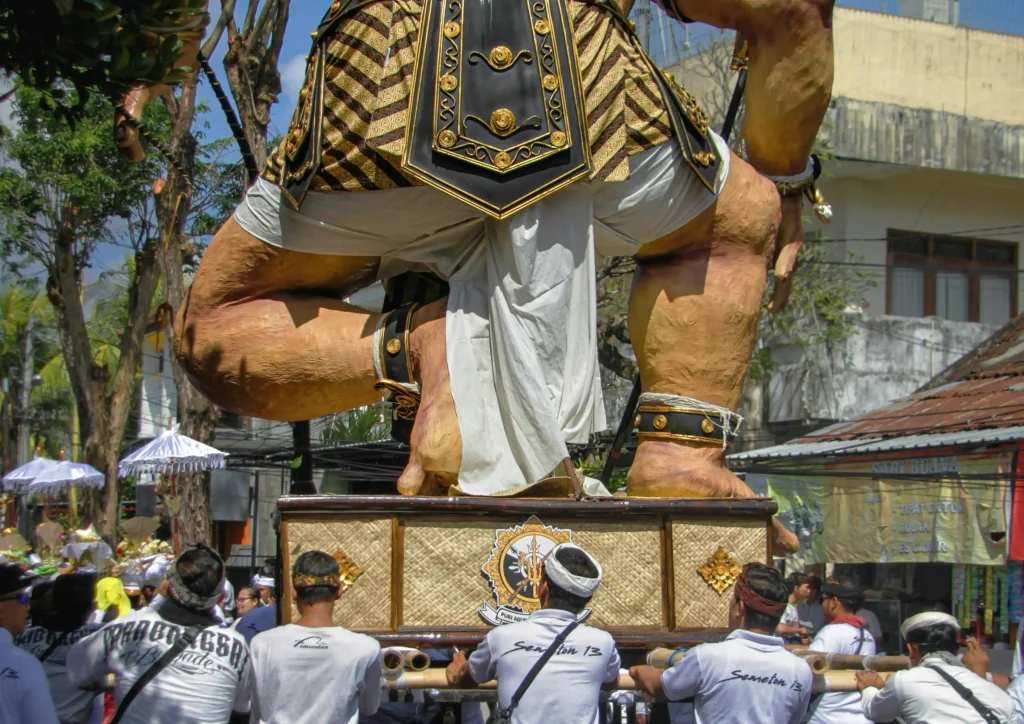
Before Bali enters silence, the island experiences one final burst of energy.
On the evening before Nyepi, communities across Bali hold Ogoh-Ogoh parades, where giant sculptures representing negative spirits are carried through the streets. The statues are shaken, spun, and sometimes burned in a symbolic ritual to cleanse the environment of negative energy before the new year begins.
If you’re interested in learning more about this tradition, you can also read our guide to Ogoh-Ogoh in Bali, the giant sculptures paraded before Nyepi.
The Four Nyepi Rules (Catur Brata Penyepian)
During Nyepi, Balinese Hindus follow four main spiritual principles known as Catur Brata Penyepian.
These rules guide the day of silence and reflection.
Amati Geni — No Fire or Light
Lights are minimized and people avoid using fire.
Amati Karya — No Work
Daily work and business activities stop for the day.
Amati Lelungan — No Traveling
People stay home and the streets remain empty.
Amati Lelanguan — No Entertainment
Entertainment, celebrations, and loud activities are avoided.
These rules help create the unique silence that defines Nyepi.
What Happens in Bali During Nyepi?
The atmosphere during Nyepi is unlike anywhere else in the world.
Across the island:
- roads become completely empty
- shops and restaurants close
- beaches and tourist attractions shut down
- the airport temporarily stops flights
Even Bali’s usually busy nightlife disappears for the day.
At night, the island becomes exceptionally dark because lights are kept to a minimum. With very little light pollution, many people experience an incredible view of the stars.
Nyepi Rules for Tourists
Visitors staying in Bali during Nyepi are expected to respect the island’s traditions. Although tourists are not required to participate in religious practices, they should follow the general guidelines observed during the day.
What Tourists Should Do
- Stay inside your hotel or accommodation
- Keep noise to a minimum
- Use lights sparingly at night
- Prepare food and supplies in advance
- Enjoy quiet activities like reading or relaxing
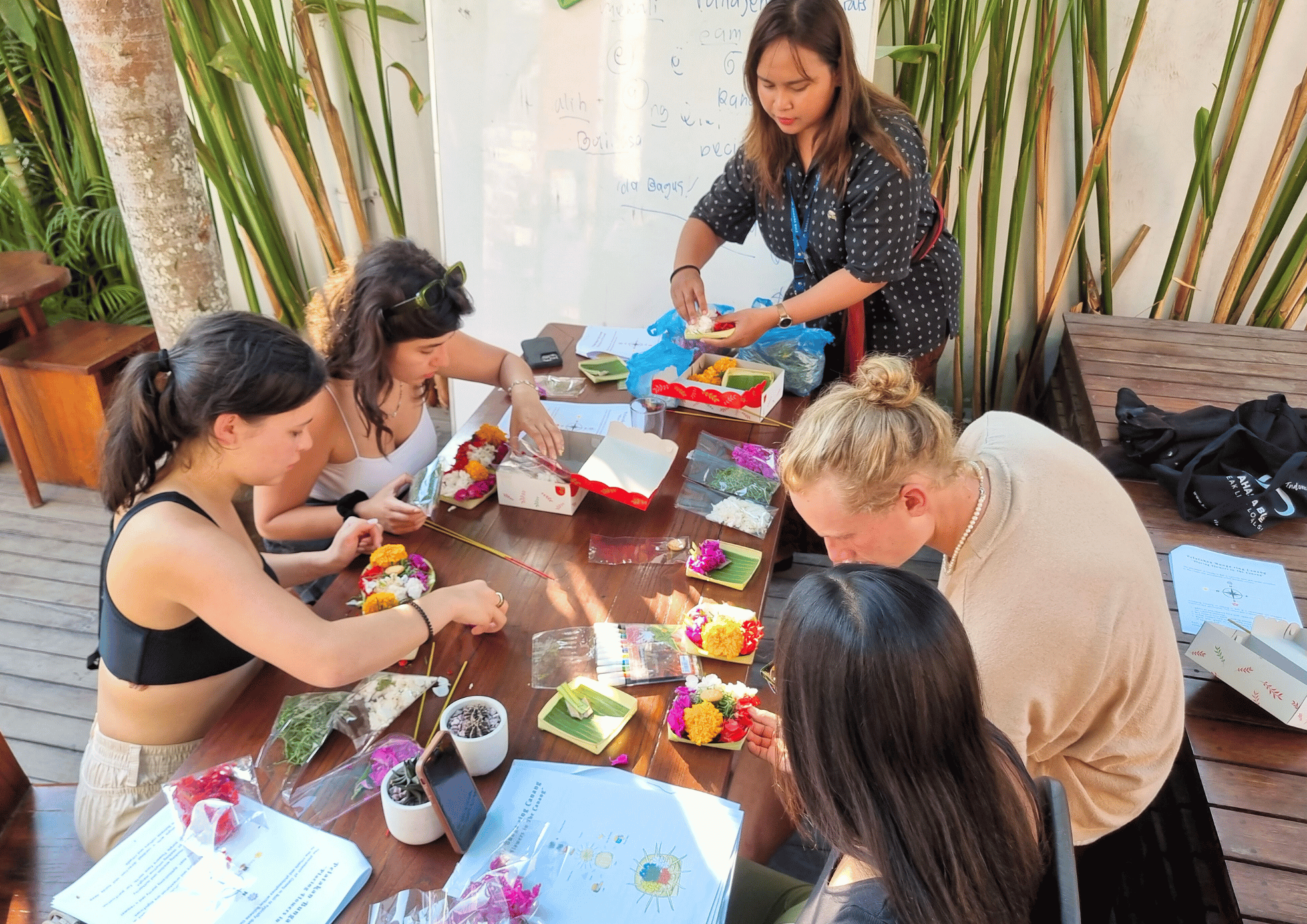
Many hotels organize simple activities for guests, but these usually remain quiet and low-key.
What Tourists Should Not Do
- Do not leave your accommodation
- Do not travel around the island
- Avoid loud music or parties
- Do not use bright outdoor lights
Local community security officers known as Pecalang patrol neighborhoods to ensure that the rules are respected during Nyepi.
Why Nyepi Is Unique in the World
Nyepi is considered one of the most unique cultural traditions in the world because an entire island participates in a day of silence. Unlike most New Year celebrations that focus on fireworks and parties, Nyepi emphasizes reflection, balance, and spiritual renewal.
For travelers, experiencing Nyepi offers a rare opportunity to witness how culture, spirituality, and community life shape daily life in Bali.
FAQ About Nyepi in Bali
What is Nyepi in Bali?
Nyepi is the Balinese Day of Silence and marks the Balinese Hindu New Year. For 24 hours, the entire island observes silence with no travel, work, entertainment, or outdoor activities.
Can tourists go outside during Nyepi?
No. Visitors are expected to stay inside their hotel or accommodation for the full 24 hours while respecting local traditions.
Is Bali airport closed during Nyepi?
Yes. Bali’s international airport temporarily shuts down for 24 hours during Nyepi.
What happens the night before Nyepi?
The evening before Nyepi features the Ogoh-Ogoh parade, where giant sculptures representing negative spirits are carried through the streets and sometimes burned.
When does Nyepi happen?
Nyepi follows the Balinese Saka calendar, so the exact date changes each year, but it usually falls between March and early April.