Ever wondered what it feels like when an entire island falls completely silent for 24 hours? No traffic, no noise, no lights—even the airport shuts down! Welcome to Nyepi in Bali, the island’s most sacred and unique celebration that offers an experience like no other.
Whether you’re an expat living in Bali or planning to visit, understanding Nyepi in Bali is key to fully immersing yourself in the island’s deep-rooted culture. But beyond its fascinating traditions, Nyepi is a powerful reminder to slow down, reflect, and connect—not just with yourself, but also with the people and culture around you.
And what better way to connect with Balinese culture than by learning the local language? Stick around because we’ll introduce you to Bahasa Bule, a fun and practical way for expats to learn Bahasa Indonesia and Balinese, helping you break language barriers and experience Nyepi in Bali more deeply.
What is Nyepi? Bali’s Sacred Day of Silence
Nyepi in Bali, also known as the Balinese Hindu New Year, follows the Saka lunar calendar and falls in March or early April each year. Unlike Western New Year celebrations filled with fireworks and loud parties, Nyepi in Bali is all about silence, reflection, and spiritual renewal.
Starting at 6 a.m. on March 29, 2025, until 6 a.m. the next day, the entire island observes a full 24-hour period of:
- No lights or fire (even street lights and house lights are turned off at night)
- No work (offices, shops, and businesses remain closed)
- No travel (even the airport suspends all flights)
- No entertainment or leisure activities (no loud music, TV, or social gatherings)
It’s a time for introspection, meditation, and spiritual cleansing, where both locals and expats experience Nyepi in Bali in its purest, most peaceful form.
Did you know?
“Bali is the only place in the world where the airport shuts down for a religious celebration!”
While Nyepi in Bali itself is a quiet day, the days leading up to it are filled with vibrant and powerful rituals that are just as important.
Nyepi Traditions: Rituals Leading Up to the Day of Silence
To fully understand the significance of Nyepi in Bali, it’s essential to look at the series of rituals that happen before and after the Day of Silence.
1. Melasti: The Sacred Purification Ceremony (March 26, 2025)
A few days before Nyepi in Bali, Balinese Hindus carry sacred temple objects to the beach for a purification ritual. This symbolizes washing away negativity and making way for renewal. Thousands of locals dressed in white walk in long processions towards the sea, creating a mesmerizing sight.
2. Ogoh-Ogoh Parade: The Night of Fiery Celebrations (March 28, 2025)
If Nyepi in Bali is a day of silence, Ogoh-Ogoh night is the complete opposite!

On Nyepi Eve, Balinese communities build massive, demonic-looking statues called Ogoh-Ogoh, symbolizing negative spirits and bad energy. These grotesque figures are paraded through the streets with traditional gamelan music, fire torches, and loud cheers.
The highlight? These Ogoh-Ogoh figures are burned at the end of the night, symbolizing the cleansing of negative forces before entering the new year.
Pro Tip: If you’re in Bali during Nyepi, If you’re in Bali during Nyepi, don’t miss the Ogoh-Ogoh parade—one of the most fascinating cultural spectacles on the island!
3. Nyepi: The 24-Hour Silent Reflection (March 29, 2025)
And then… complete stillness.
4. Ngembak Geni: A Fresh Start (March 30, 2025)
The day after Nyepi in Bali, life resumes with renewed balance. Families visit each other, seek blessings, and start the Balinese New Year with a fresh mindset.
Why Language Matters in Experiencing Bali’s Culture
Nyepi in Bali is just one example of how deeply spiritual and community-driven Balinese culture is. While English is widely spoken in tourism areas, the real magic happens when you connect with locals in their own language, whether it’s Bahasa Indonesia or even a few words of Balinese.
Many expats living in Bali find that learning even basic Bahasa Indonesia helps them:
- Build better relationships with locals and expat communities
- Navigate daily life (ordering food, asking for directions, bargaining at markets)
- Understand deeper cultural meanings behind Balinese traditions
That’s where Bahasa Bule comes in a language school dedicated to helping expats learn Bahasa Indonesia and Balinese in a fun and practical way!
Fun Fact: Did you know that “Bahasa Bule” is a fun term locals use to describe “foreigner-friendly Indonesian”? It’s all about making learning enjoyable and practical!
Learn Bahasa Indonesia & Balinese with Bahasa Bule
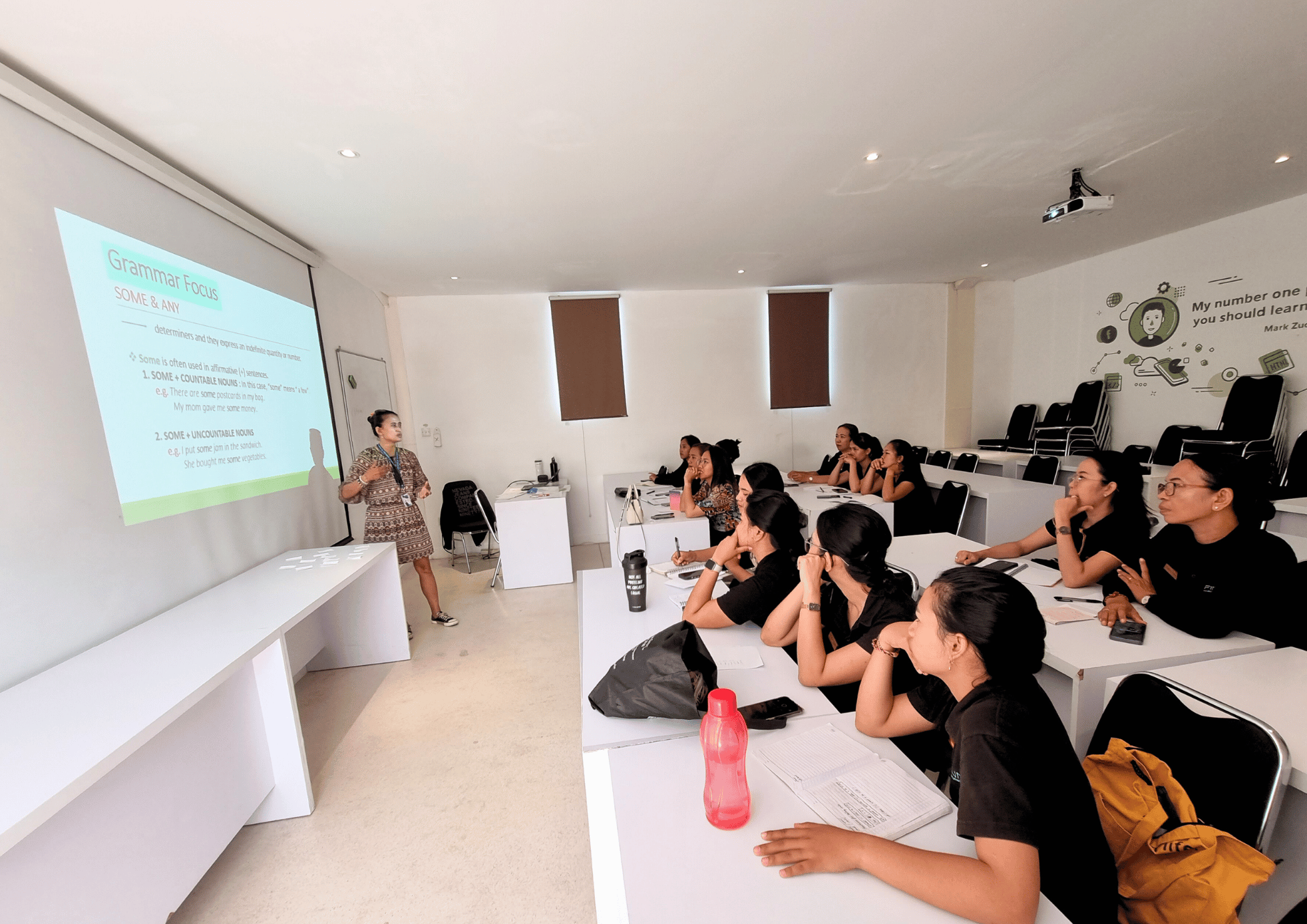
If you want to truly immerse yourself in Bali’s culture, learning the local language is the key. Bahasa Bule offers:
- Practical Indonesian & Balinese Lessons – Focused on real-life conversations
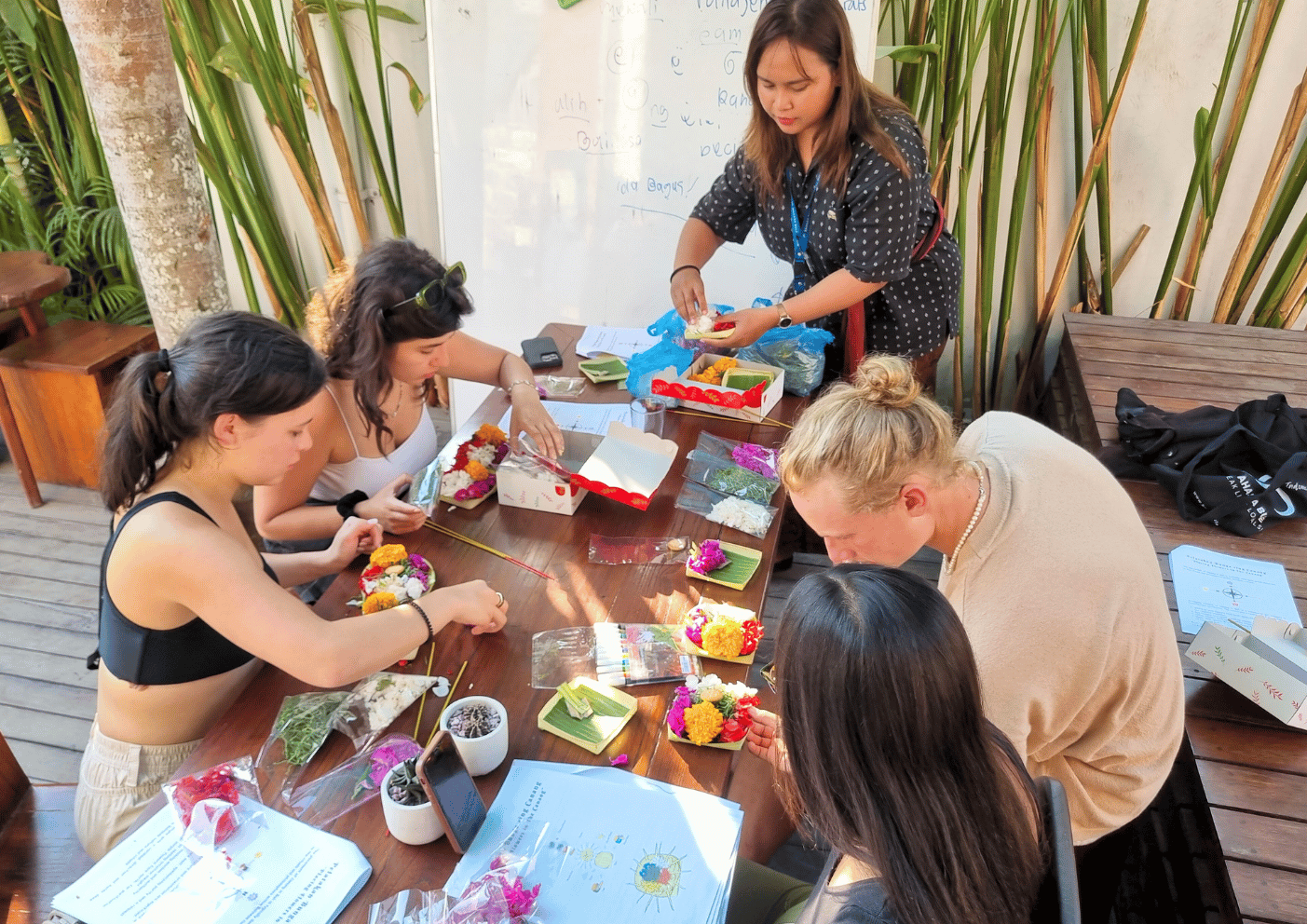
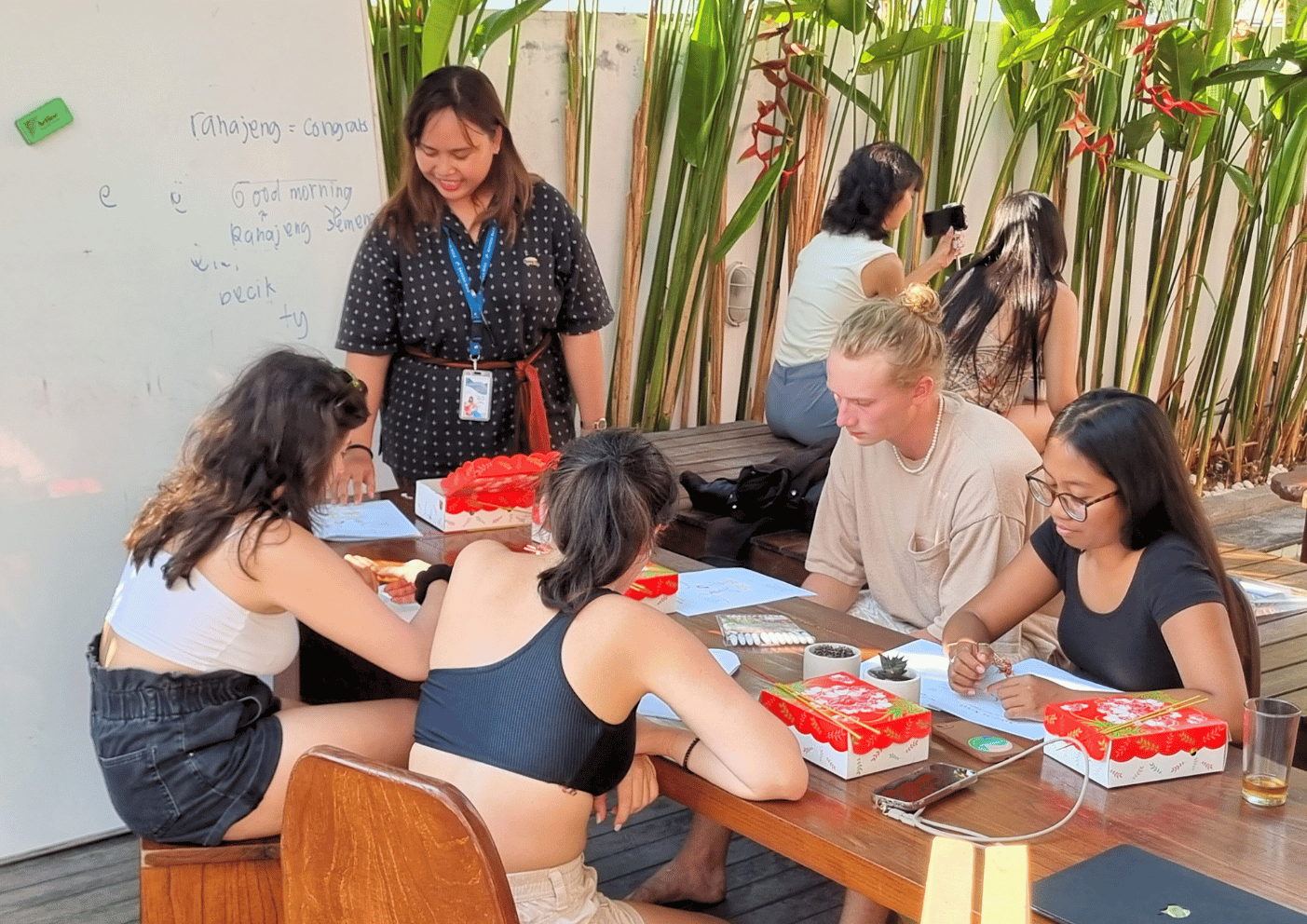
- Cultural Immersion Activities – Learn to make canang sari (Balinese offerings) and understand their meaning
- Flexible Classes – Available in Canggu, Uluwatu, and Ubud
Imagine being able to greet your Balinese neighbors, order food in Indonesian, or understand the deeper meanings behind rituals like Nyepi, learning the language transforms your Bali experience from tourist to local.
Experience Bali on a Deeper Level
Nyepi isn’t just a day of silence—it’s a time for reflection, connection, and embracing Bali’s rich culture. And what better way to truly experience the island than by learning the language?
Exclusive Offer for Our Year in Bali Clients
If you’re a client of Our Year in Bali, you get 10% off any language course at Bahasa Bule! Whether you want to pick up everyday Indonesian to connect with locals or dive deeper into Balinese culture, this is the perfect way to make your time in Bali even more meaningful.
📍 Ready to get started?
- Need help settling in? Visit www.ouryearinbali.com
- Keen to learn the language? Check out bahasabule.com
Make the most of your Bali journey—language opens doors! 💛